

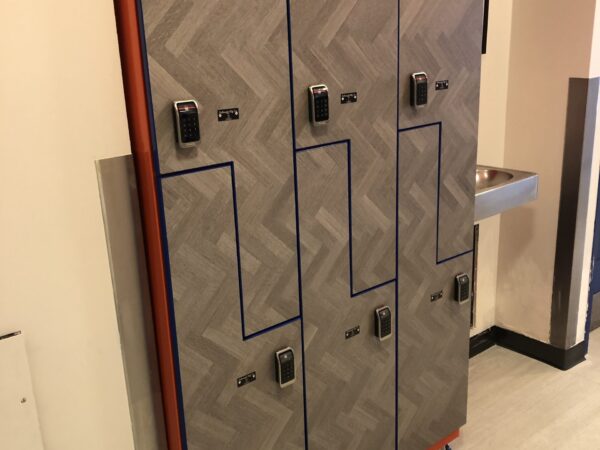
Single Tier Full-Height Locker
Full-height single tier lockers offer uninterrupted vertical space for coats, uniforms, and full-length garments. The go-to configuration for employee break rooms and corporate environments.
View Details →Clean-In, Soiled-Out Garment Management
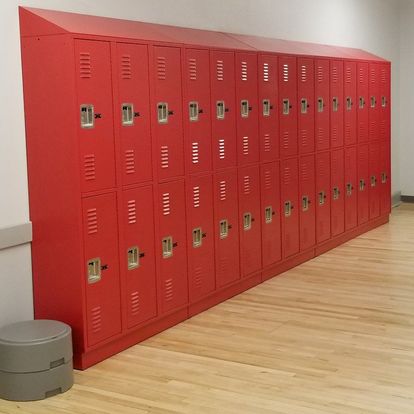
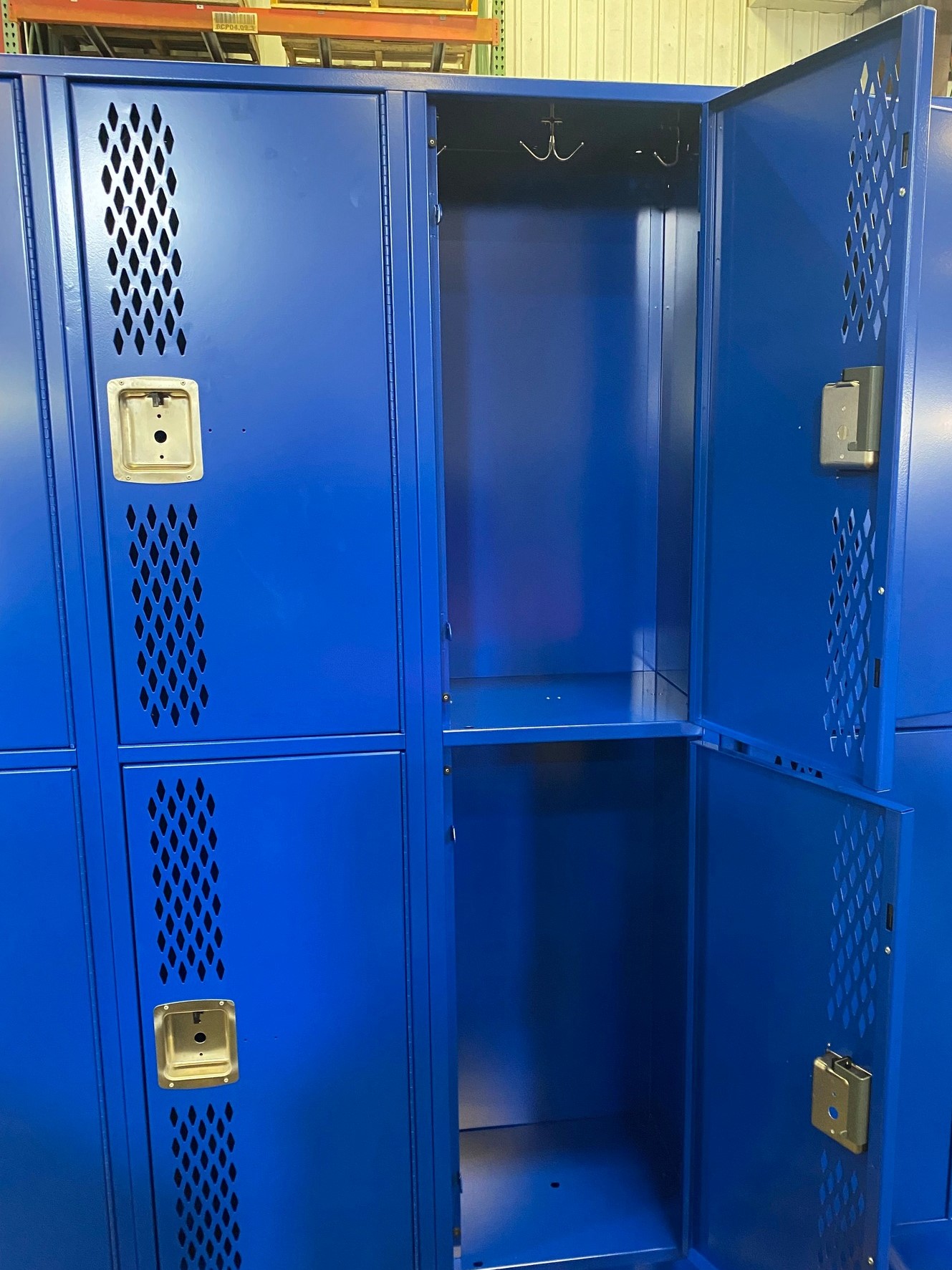
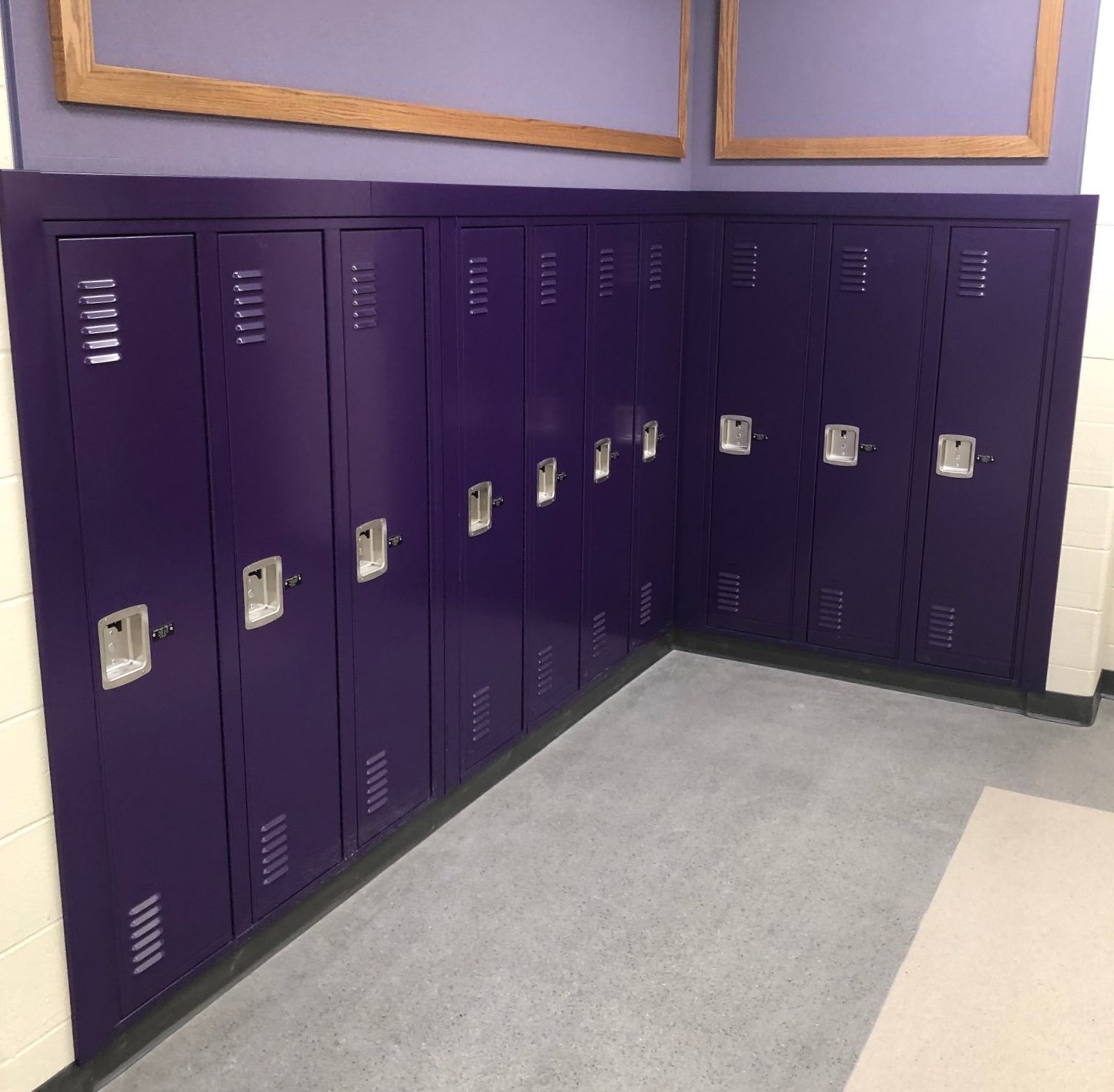
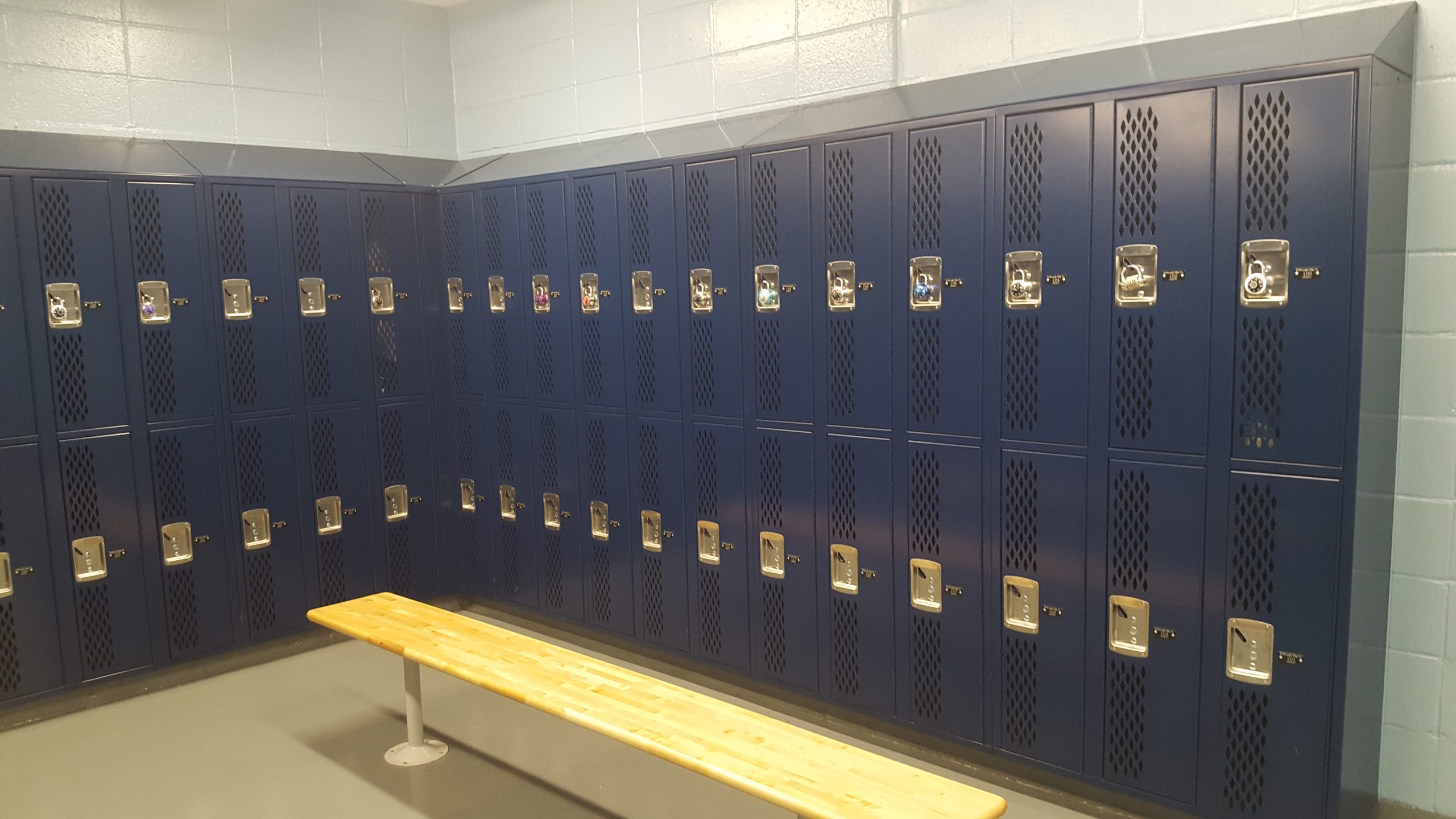
Clean-In, Soiled-Out Garment Management
The Uniform Exchange Locker automates the distribution and collection of work uniforms through a dual-compartment design that physically separates clean garments from soiled returns. One compartment — accessible from the corridor side — holds clean uniforms ready for the employee to collect at the start of their shift. The second compartment — accessible from the same side or through a pass-through to the laundry side — receives soiled uniforms returned at shift end.
This system replaces the traditional staffed uniform counter where employees queue up, request their size, and receive clean uniforms from a distribution clerk. By pre-loading clean uniforms into assigned compartments before the shift starts, the uniform exchange locker allows self-service collection that eliminates wait times, reduces staffing requirements, and ensures that every employee receives the correct size and quantity without verbal requests or manual record-keeping.
For laundry operations, the soiled-side compartment provides organized collection by employee — not by a mixed pile of garments that must be sorted later. Each employee return goes into their assigned compartment, creating natural inventory tracking that simplifies laundry routing and identifies uniform loss at the individual level.
Engineered for performance in demanding environments
Detailed technical specifications for project planning and installation
| Configuration | Dual compartment — clean and soiled per employee |
|---|---|
| Body Material | 16-gauge cold-rolled steel |
| Compartment Width | 15" or 18" per employee position |
| Compartment Depth | 18" or 21" |
| Clean Section Height | 36" (folded uniforms) or 48" (hanging) |
| Soiled Section Height | 24" with ventilation louvers |
| Overall Height | 72" or 78" |
| Lock Options | Badge reader, keypad, or keyed (clean side) |
| Soiled Return | Push-flap or one-way door (no lock) |
| Finish | Standard or antimicrobial powder coat |
| RFID | Optional antenna per compartment for garment tracking |
| Warranty | 15-year limited warranty |
Brochures, specification sheets, and installation guides
Customize your locker system with premium add-ons and components
Built-in, hasp, padlock, combination, key, electronic, and master key options.
Adjustable shelves and coat hooks for maximum interior organization.
Angled tops prevent accumulation of debris and unauthorized storage.
Louvered doors and vented panels for improved air circulation.
Stamped, engraved, or adhesive numbering systems for easy identification.
Freestanding and wall-mounted benches to complete your locker room setup.
Recessed and closed base configurations with optional leveling feet.
Campus or facility-wide master key systems with hierarchical access control.
Trusted by facilities across every sector
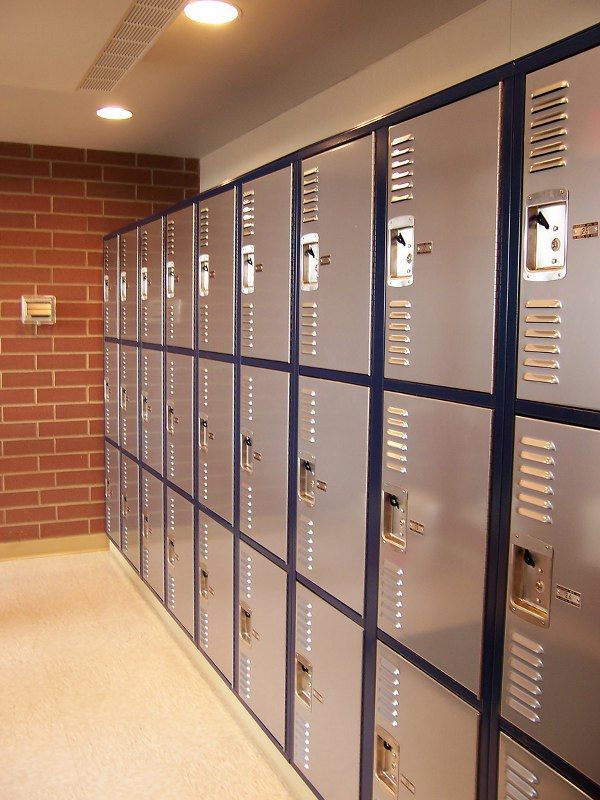
Healthcare workers changing into scrubs at each shift need reliable uniform access without waiting in line. Exchange lockers pre-loaded with clean scrubs enable self-service collection, while soiled returns go into ventilated compartments for laundry pickup.
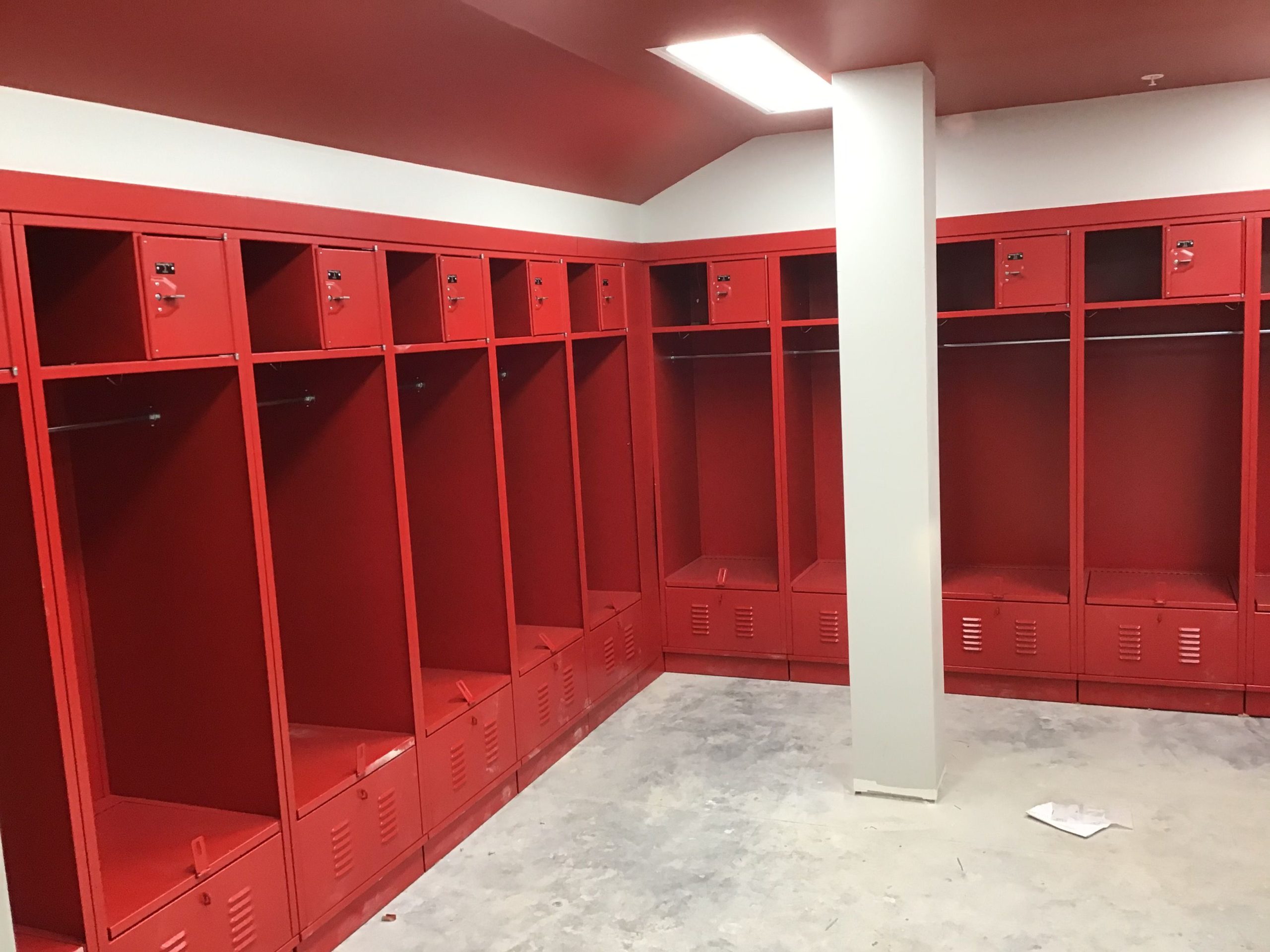
Food safety regulations require clean uniforms for every shift entry. Exchange lockers ensure every worker receives a freshly laundered uniform and properly returns soiled garments, supporting HACCP compliance documentation.
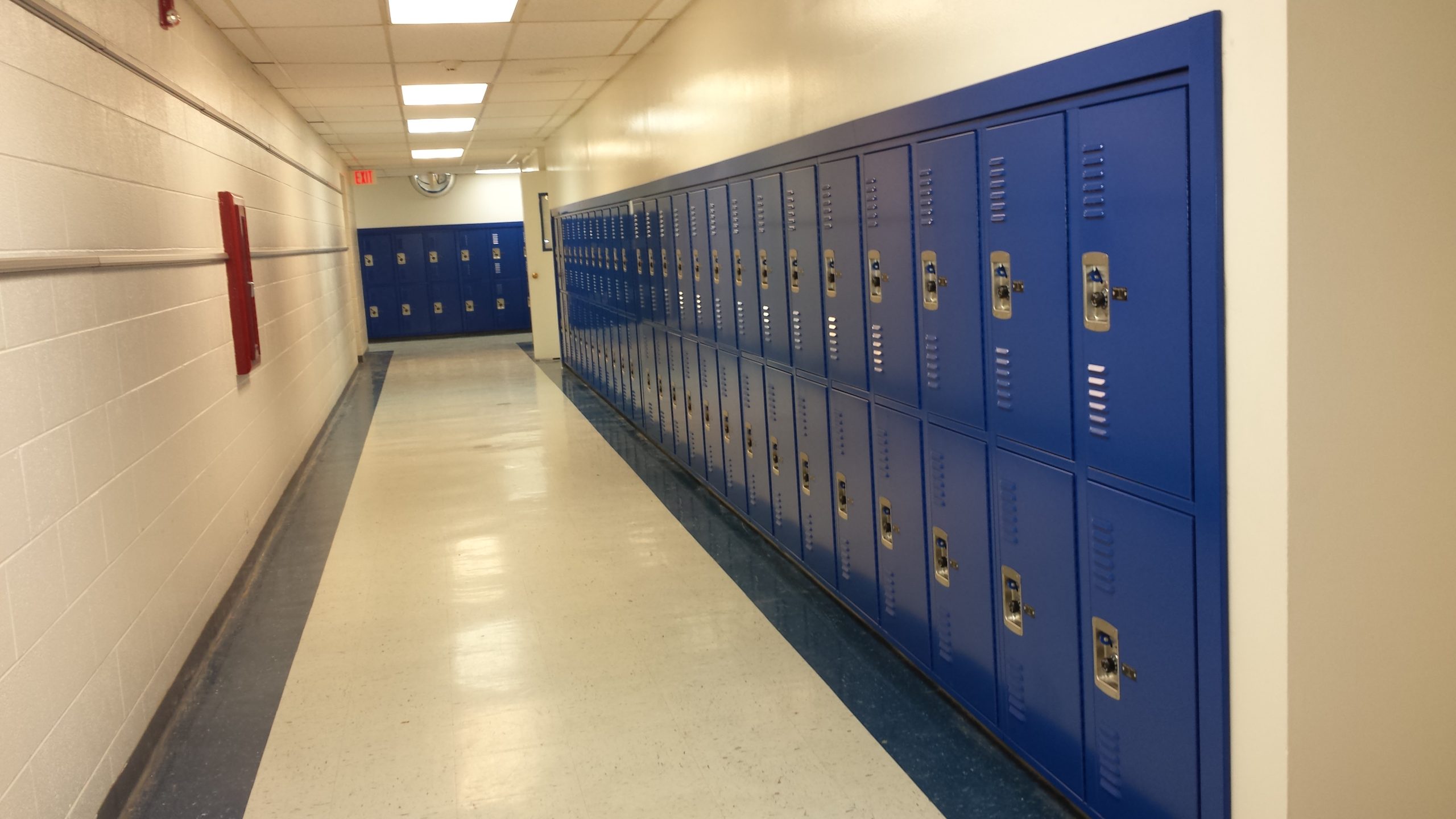
Housekeeping, kitchen, and front-desk staff in hospitality operations use multiple uniform types across shifts. Exchange lockers pre-stocked by the laundry department enable frictionless uniform distribution without dedicated counter staff.
Facilities requiring controlled garments — whether for contamination control or safety compliance — use exchange lockers to manage the daily issue and return of specialized work clothing at individual employee level.
Organizations that provide work uniforms to employees face a daily logistics challenge: distributing clean garments, collecting soiled returns, and tracking inventory across hundreds or thousands of employees working multiple shifts. Traditional approaches — staffed uniform rooms, shared bins, and manual logs — are labor-intensive, error-prone, and create bottlenecks at shift changes. Uniform exchange lockers automate this process through a hardware design that manages the clean-soiled separation and individual tracking that effective uniform programs require.
In facilities with hundreds of employees arriving simultaneously for a shift start, the uniform counter becomes a choke point. Workers queue for five, ten, or fifteen minutes waiting to receive their clean uniform — unproductive time that delays shift starts and frustrates employees. Exchange lockers eliminate this bottleneck entirely. Clean uniforms are pre-loaded into individual compartments before the shift arrives. Each employee walks to their designated compartment, collects their uniform, and proceeds directly to the changing area. No queue, no waiting, no staff interaction required.
Uniform loss and unreturned garments represent a significant ongoing cost for organizations that provide work clothing. In mixed-return systems — where soiled uniforms go into shared bins — there is no way to identify which employees returned their garments and which did not until a physical inventory count reveals shortages. Exchange lockers with individual compartments create per-employee return tracking: if Employee 427 clean compartment was loaded but the soiled compartment remains empty at the end of the shift, the unreturned garment is immediately attributable.
In healthcare, food processing, and pharmaceutical environments, the physical separation of clean and soiled garments is not merely organizational — it is a regulatory requirement. Clean uniforms must not contact soiled garments at any point in the distribution and return process. The dual-compartment exchange locker design enforces this separation through physical barriers: clean garments are loaded and retrieved through one compartment, soiled garments are returned through a separate compartment, and the two pathways never intersect.
For organizations using RFID-tagged garments, exchange lockers serve as automated checkpoint stations in the garment lifecycle. RFID antennas installed in each compartment can automatically read garment tags when uniforms are deposited or retrieved, creating a digital record of garment movements without manual scanning. This data feeds inventory management systems with real-time information on garment location, wash cycle counts, and per-employee issue history — intelligence that supports both operational efficiency and cost control.
Full-height single tier lockers offer uninterrupted vertical space for coats, uniforms, and full-length garments. The go-to configuration for employee break rooms and corporate environments.
View Details →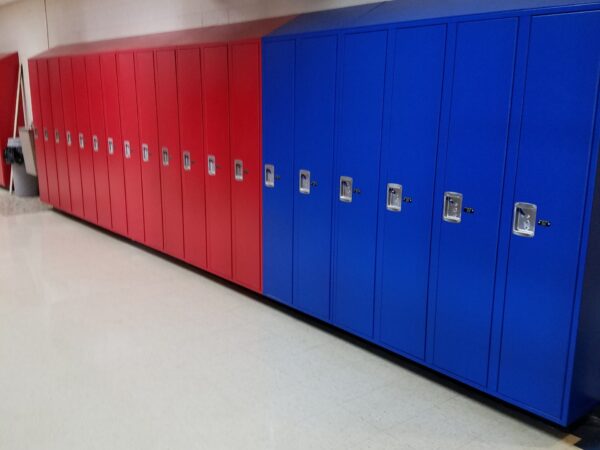
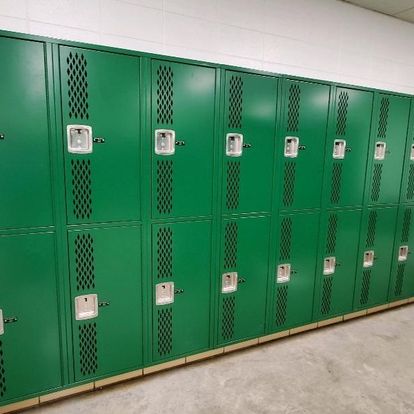
Double tier lockers divide each column into two stacked compartments, doubling user capacity without increasing floor space. Perfect for schools, gyms, and high-density facilities.
View Details →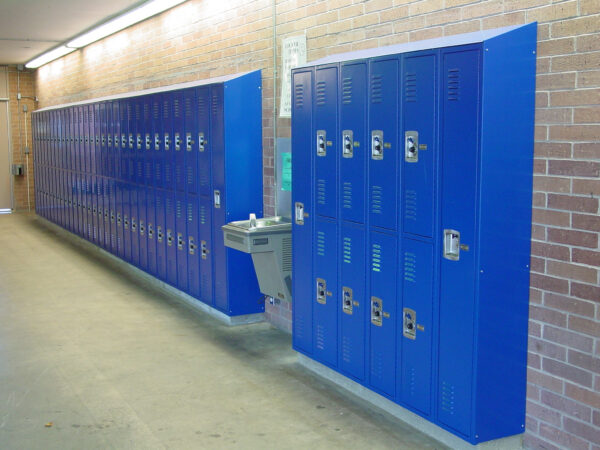
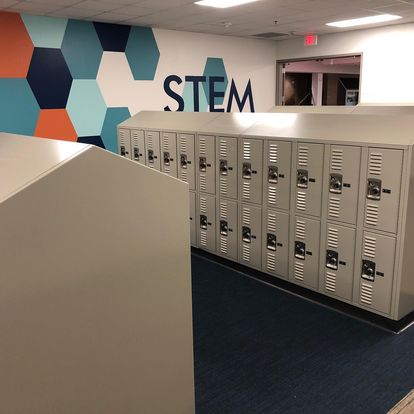
Lockers with integrated slope tops eliminate top-of-locker storage, reduce dust accumulation, and maintain clean sight lines in school corridors and institutional hallways.
View Details →Click any image to view full size
Our locker specialists can help you configure the perfect storage system for your facility. Get a custom quote in 24 hours.