

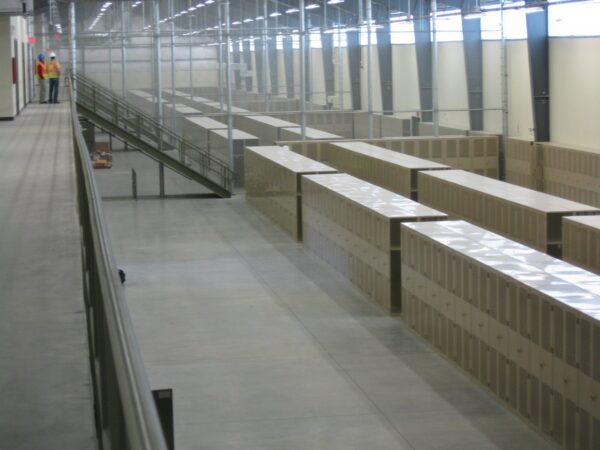
Evidence and Property Storage Locker
Evidence lockers with pass-through design, tamper-evident seals, and individual compartment security maintain chain of custody for law enforcement and legal facilities.
View Details →Noise-Dampened Operation for Sensitive Environments
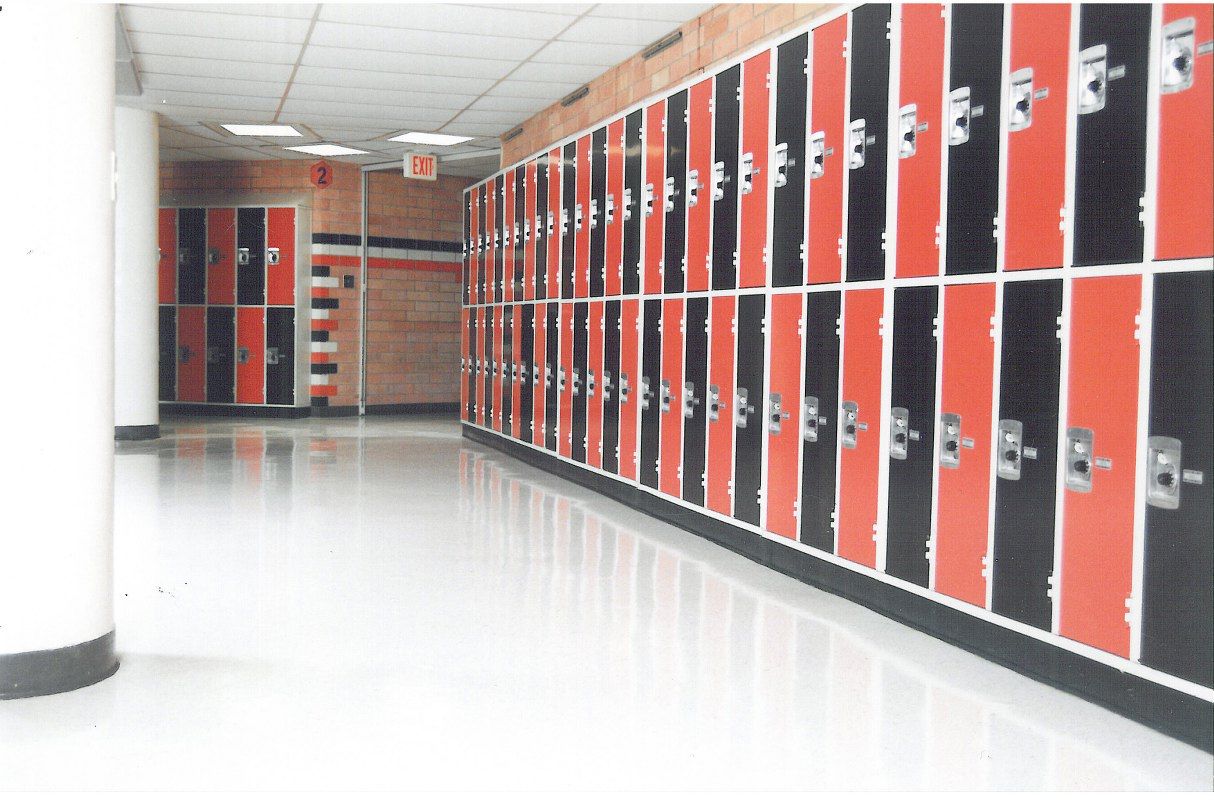
Noise-Dampened Operation for Sensitive Environments
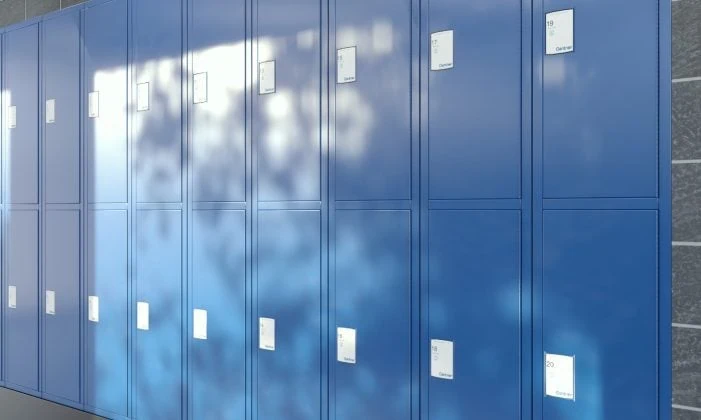
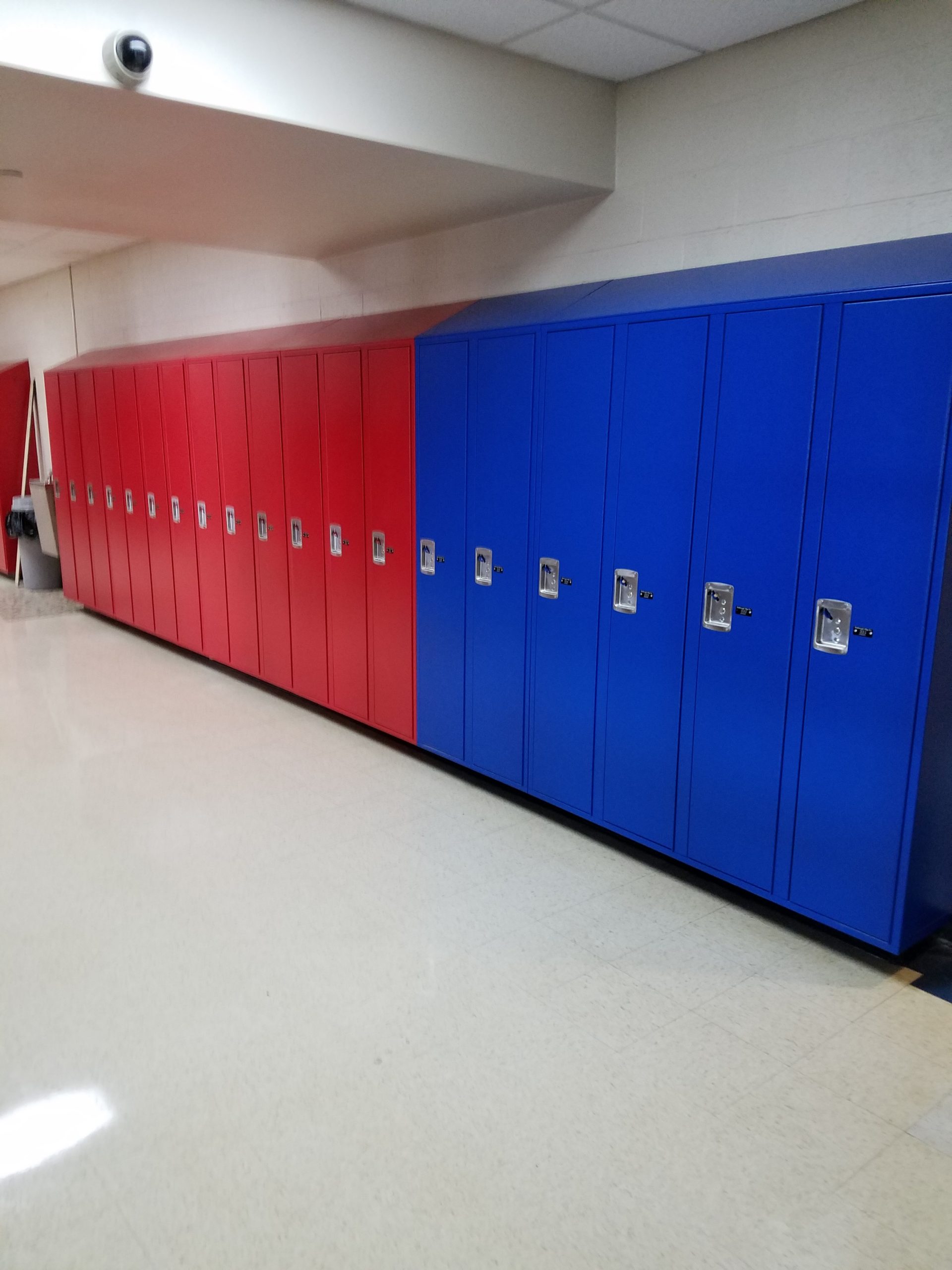
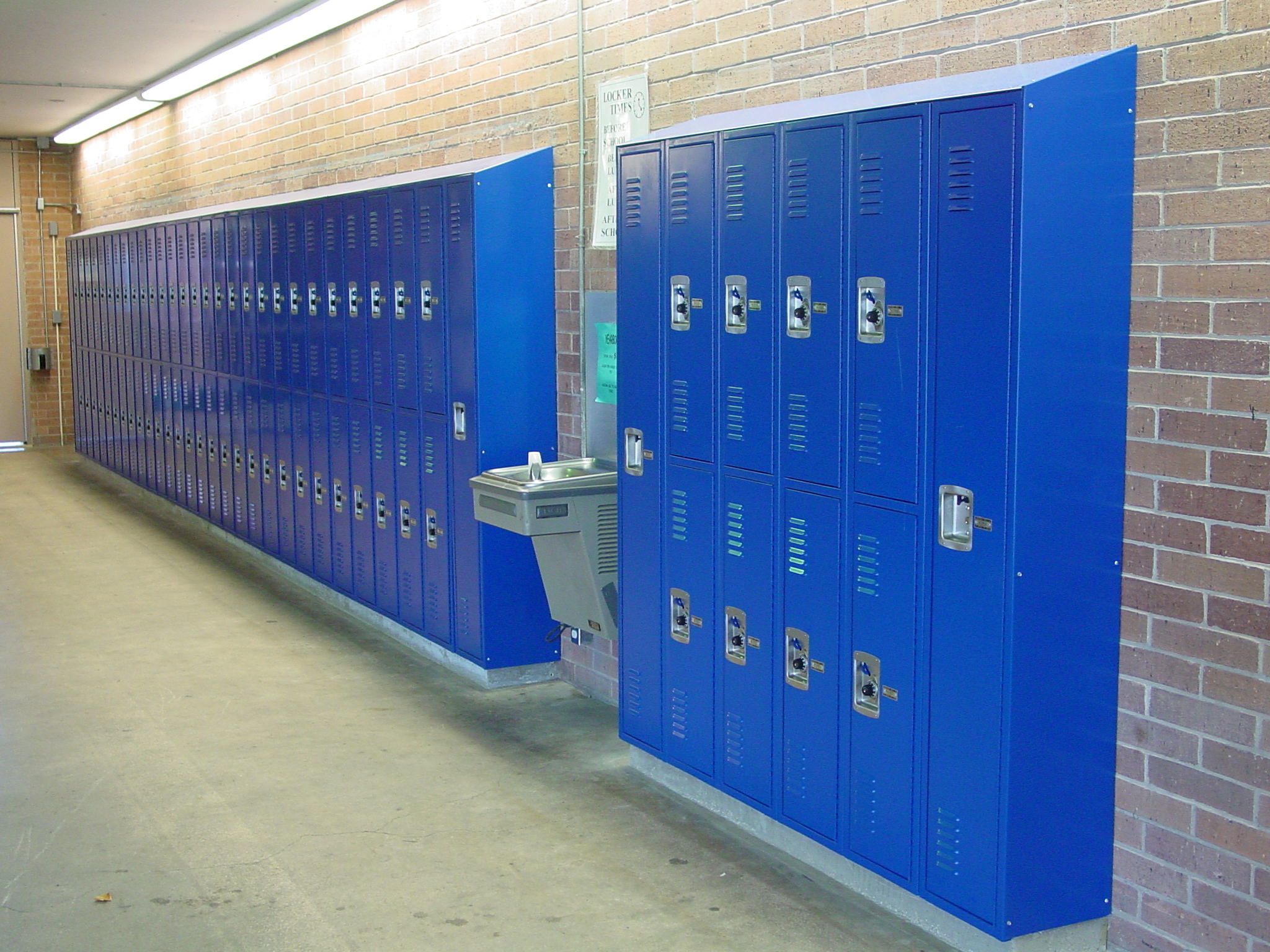
The Quiet-Close Premium Locker addresses the acoustic impact that traditional metal lockers create in noise-sensitive environments. Libraries, executive office areas, medical facilities, recording studios, and residential-adjacent spaces all suffer from the metallic clanging, slamming, and reverberating that conventional steel lockers produce during normal use.
Noise reduction is achieved through multiple engineering approaches working together. Soft-close hydraulic dampers control door swing speed in the final 15 degrees of closing, preventing the impact slam that generates the loudest noise events. Sound-absorbing gaskets line the door frame contact perimeter, cushioning the door-to-frame contact that transmits vibration. Internal vibration-dampening panels bonded to locker walls absorb the resonance that would otherwise amplify and sustain the metallic ringing sound.
The cumulative effect of these engineering interventions reduces operational noise by approximately 70% compared to standard steel lockers of equivalent construction. A hallway of quiet-close lockers during peak use sounds fundamentally different from a traditional locker corridor — individual door operations produce a soft, muted sound rather than the sharp metallic reports that characterize conventional installations.
Engineered for performance in demanding environments
Detailed technical specifications for project planning and installation
| Noise Reduction | ~70% vs. standard steel lockers |
|---|---|
| Damper Type | Hydraulic soft-close, adjustable speed |
| Damper Rating | 100,000+ cycle lifespan |
| Gasket Material | Closed-cell neoprene, full perimeter |
| Body Material | 16-gauge cold-rolled steel |
| Widths | 12", 15", 18" |
| Depths | 12", 15", 18", 21" |
| Heights | 60", 66", 72", 78" |
| Tiers | Single, Double, Triple, Box |
| Finish | Thermoset powder coat — 40+ colors |
| Lock Options | All standard types including electronic |
| Warranty | 15-year structural, 5-year damper mechanism |
Brochures, specification sheets, and installation guides
Customize your locker system with premium add-ons and components
Built-in, hasp, padlock, combination, key, electronic, and master key options.
Adjustable shelves and coat hooks for maximum interior organization.
Angled tops prevent accumulation of debris and unauthorized storage.
Louvered doors and vented panels for improved air circulation.
Stamped, engraved, or adhesive numbering systems for easy identification.
Freestanding and wall-mounted benches to complete your locker room setup.
Recessed and closed base configurations with optional leveling feet.
Campus or facility-wide master key systems with hierarchical access control.
Trusted by facilities across every sector
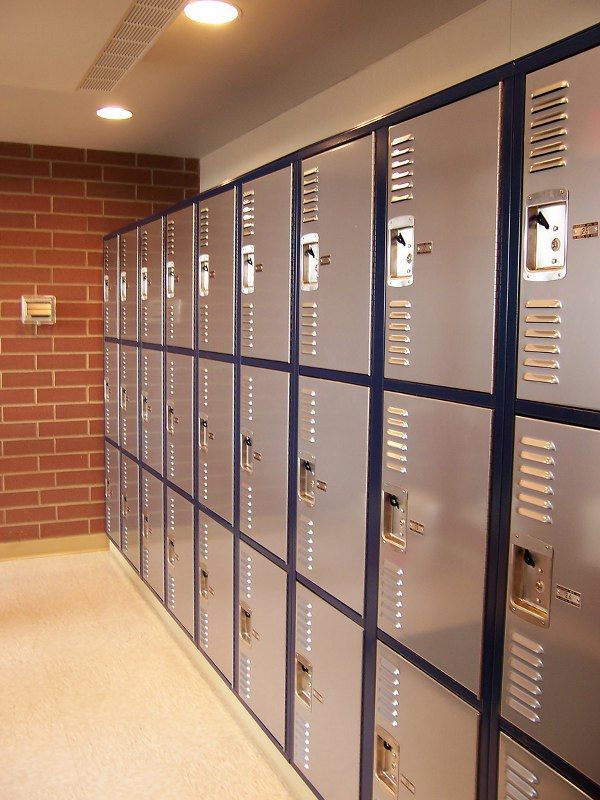
Staff lockers near patient rooms contribute to noise levels that affect patient rest and recovery. Quiet-close lockers reduce the acoustic impact of shift changes that occur around the clock, supporting healthcare noise-reduction initiatives.
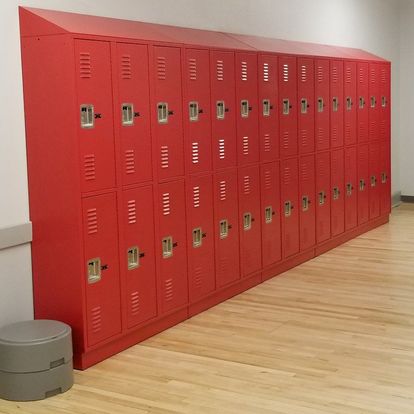
Library patrons storing bags and coats during study sessions expect a quiet environment. Quiet-close lockers in library lobbies and study areas prevent the noise disruption that metal locker operations typically create.
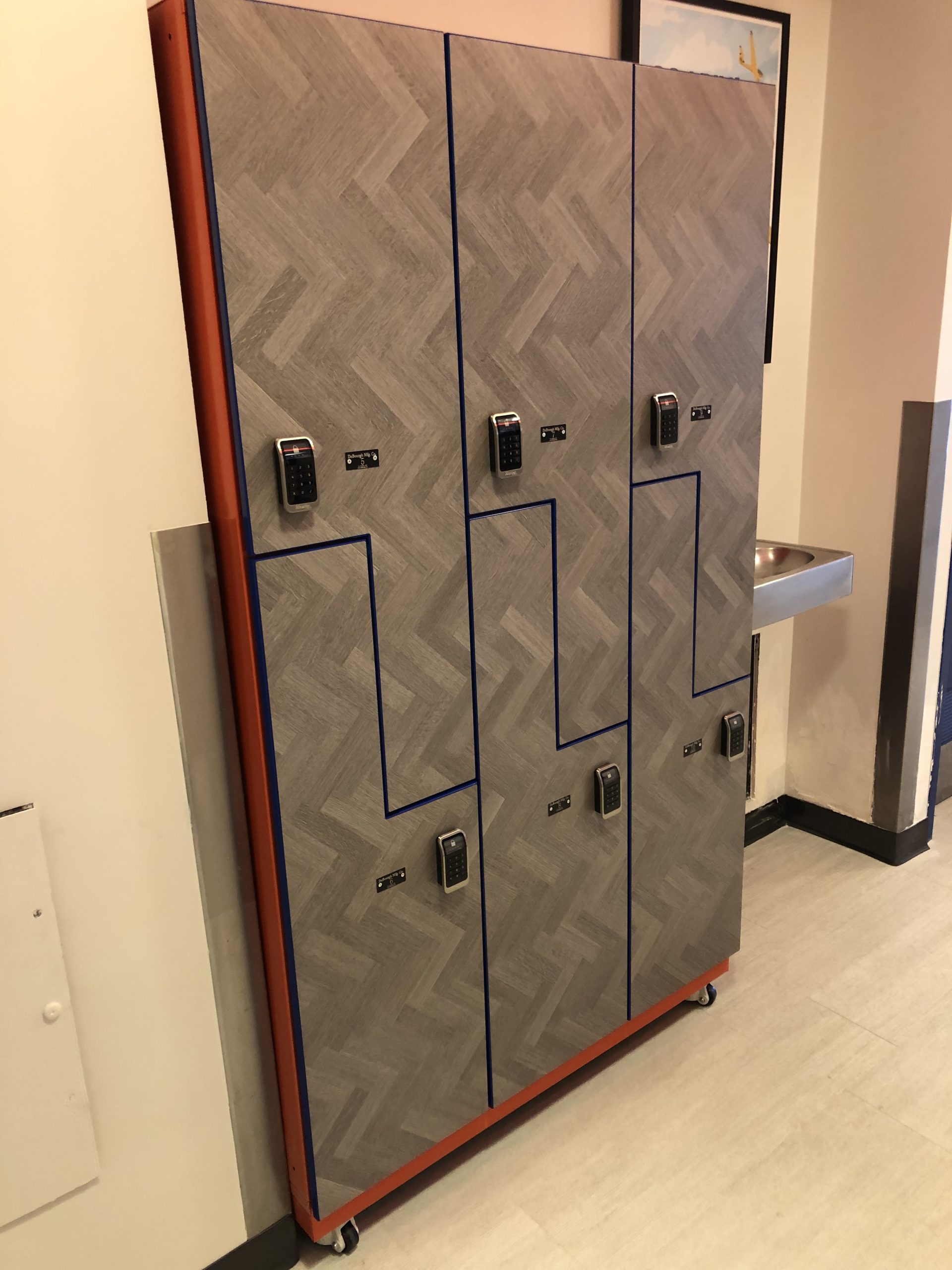
Lockers positioned in or near executive suites, conference areas, and reception zones must operate without the industrial noise that would be disruptive and unprofessional. Quiet-close technology enables locker placement in acoustically sensitive premium spaces.
Gym and recreation lockers in mixed-use buildings with adjacent residential units can generate noise complaints. Quiet-close lockers reduce sound transmission through shared walls during early morning and late evening use.
The sound of slamming metal lockers is so ubiquitous in schools, gyms, and institutions that most people accept it as inevitable. It is not. The noise generated by conventional lockers — a sharp metallic impact followed by a decaying ring — is the result of uncontrolled metal-to-metal contact that can be engineered away through targeted acoustic interventions. Quiet-close lockers apply these interventions at every noise-generating contact point, transforming a disruptive noise source into a barely perceptible background event.
Understanding locker noise requires identifying its three components: impact (the door hitting the frame), transmission (vibration traveling through the steel panels), and resonance (the hollow steel body amplifying the vibration like a drum). Each component requires a different engineering response. Impact is addressed by soft-close dampers and frame gaskets that prevent hard contact. Transmission is reduced by rubber bumpers and cushioned latch mechanisms at metal-to-metal interfaces. Resonance is dampened by vibration-absorbing panels bonded to interior surfaces that prevent the locker body from acting as a sound amplifier.
The World Health Organization recommends hospital noise levels not exceed 35 dB during nighttime hours. In practice, hospital ambient noise frequently exceeds 60 dB — a level associated with increased patient stress, slower recovery, higher analgesic use, and reduced staff concentration. Staff lockers on patient floors contribute to this noise burden during the shift changes that occur at the peak quiet hours. Quiet-close lockers are one of the targeted interventions that healthcare facilities can deploy to measurably reduce ambient noise levels in patient care areas.
Quiet-close technology does not reduce durability or structural performance. The hydraulic dampers are rated for over 100,000 cycles — equivalent to 13+ years of 20 operations per day. The sound-absorbing gaskets are manufactured from closed-cell neoprene that maintains its cushioning properties through the full warranty period. The vibration-dampening panels are permanently bonded to the steel body, requiring no maintenance or replacement. Every quiet-close locker carries the same 15-year structural warranty as our standard product, with an additional 5-year warranty on the damper mechanism.
The premium cost of quiet-close lockers is offset by measurable benefits in noise-sensitive environments. Healthcare facilities see improvements in patient satisfaction scores — a metric directly tied to reimbursement rates. Corporate facilities in open-plan offices avoid the productivity losses associated with noise disruption. Mixed-use buildings reduce noise-related resident complaints that affect tenant retention. Libraries and study centers maintain the quiet environment that is their fundamental value proposition. In each case, the acoustic improvement has quantifiable value that justifies the incremental investment.
Evidence lockers with pass-through design, tamper-evident seals, and individual compartment security maintain chain of custody for law enforcement and legal facilities.
View Details →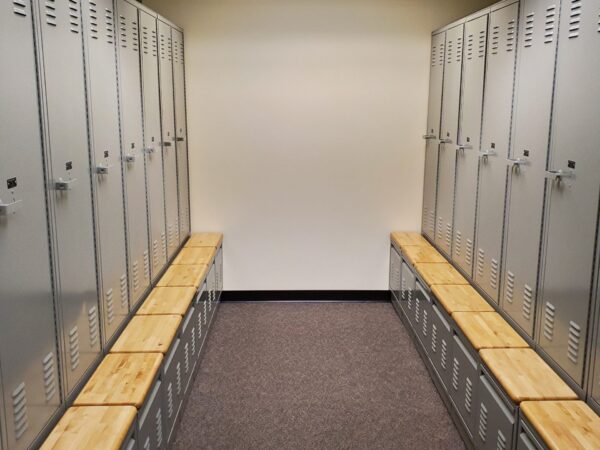
Dual-compartment uniform exchange lockers streamline garment distribution with separate clean and soiled sections — eliminating the need for staffed uniform counters.
View Details →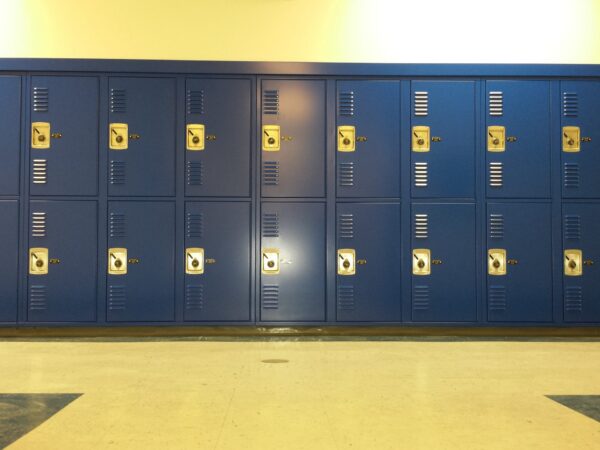
Modular locker systems use standardized, stackable components that combine to create mixed-tier, mixed-width installations tailored to each facility unique storage requirements.
View Details →Click any image to view full size
Our locker specialists can help you configure the perfect storage system for your facility. Get a custom quote in 24 hours.